

Most of the year, your heating system sits idle—then suddenly, it’s everything. When Central Texas temperatures plummet, Austin homes face heating challenges that catch most residents completely off guard. Service Wizard breaks down what happens when our region gets genuinely cold—and why your heating system needs to be ready for demands you might not expect.
The Reality of Austin's 'Mild' Winters
After 50+ years of keeping Central Texas homes comfortable, Service Wizard knows the truth about our winters: they’re unpredictable, intense, and far more demanding than most homeowners realize. The idea that Austin has “mild” winters creates a dangerous false sense of security.
Yes, we enjoy plenty of pleasant winter days. But when cold fronts blow through, temperatures can crash 40-50 degrees in hours. Your heating system goes from months of dormancy to running flat-out—sometimes for days straight. That sudden demand exposes every weakness in systems that haven’t been properly maintained or sized for our unique climate challenges.
Why Central Texas Cold Hits Different
Our winter weather creates a perfect storm of heating challenges that other regions don’t face:
The Dormancy Problem: Heating systems sit unused for 8-9 months. Components deteriorate, dust accumulates, and small issues become big problems—all discovered at the worst possible moment.
The Shock Factor: Unlike northern climates with gradual seasonal transitions, Central Texas cold arrives suddenly. Systems go from off to maximum output with no warm-up period.
The Duration Test: Multi-day cold snaps push equipment to its limits. Running continuously for 48-72 hours reveals weaknesses that occasional use never would.
The Humidity Challenge: Our humid climate means heating systems must work harder to achieve comfortable warmth, and condensation issues complicate everything.
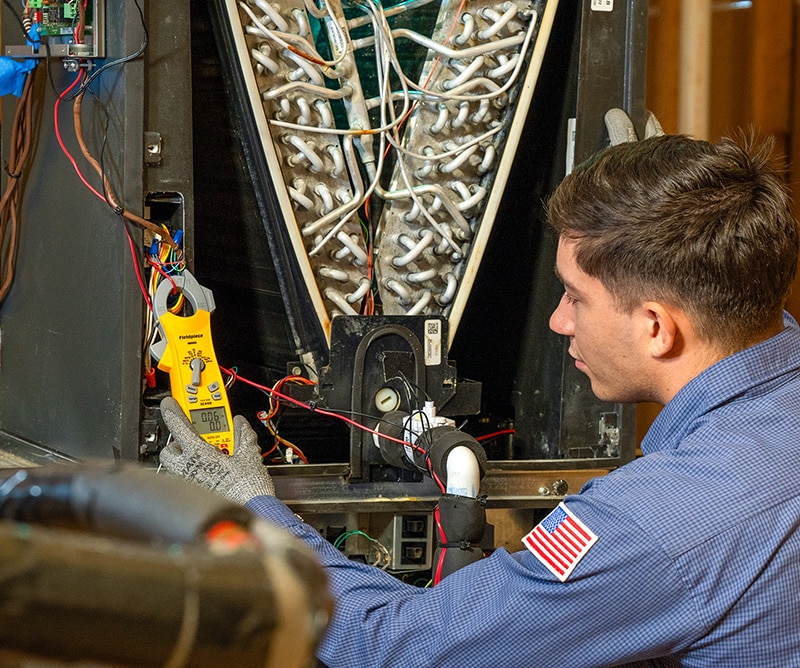
Central Texas Heating Realities Most Homeowners Miss
- Homes Designed for Cooling: Texas construction prioritizes AC efficiency—larger windows, minimal insulation, and open floor plans that make heating significantly harder
- Undersized Heating Equipment: Many systems are sized primarily for cooling loads, leaving heating capacity as an afterthought
- Ductwork Heat Loss: Ducts running through unconditioned attics lose tremendous heat before reaching living spaces
- Single-Stage Limitations: Basic systems only run at full blast or not at all—inefficient for our variable temperature swings
- Thermostat Placement Issues: Thermostats in central locations may not reflect temperatures in rooms on exterior walls or upper floors
- Deferred Maintenance: Because heating runs so rarely, maintenance gets skipped—leading to failures when you need heat most
The Numbers Behind Austin's Heating Demands
When temperatures drop, Central Texas heating systems face surprising demands
15-25
Days per year Austin sees temperatures below 40°F—concentrated in unpredictable cold snaps
50°F+
Temperature swings possible within 24-48 hours during winter cold fronts
72+ Hours
Duration of extended cold events—continuous runtime that tests every system component
Signs Your Heating System Isn't Ready for Texas Cold
Most heating problems announce themselves before complete failure—if you know what to watch for. These warning signs indicate your system may struggle when temperatures really drop:
Performance Warning Signs
- System runs constantly but never reaches set temperature
- Uneven heating—some rooms warm, others stay cold
- Strange noises when heating kicks on
- Burning smell when heat first starts each season
- Frequent cycling on and off
System Age and Condition Concerns
- Equipment is 15+ years old
- No professional maintenance in over two years
- Previous repairs or part replacements
- Visible rust or deterioration on outdoor unit
- Thermostat struggles to maintain accurate readings
Prepare Your Home for Texas-Sized Cold
These strategies help your heating system perform when Central Texas temperatures plummet.
Schedule Pre-Season Maintenance
Professional heating maintenance before cold weather identifies problems while there’s still time to fix them—not during an emergency.
Replace Your Air Filter
A clogged filter forces your system to work harder, reduces efficiency, and can cause overheating. Check monthly during heating season.
Test Before You Need It
Run your heating system for 30+ minutes on a mild day before the first cold snap. Discovering issues early gives you time to address them.
Seal Air Leaks
Gaps around windows, doors, and electrical outlets let cold air infiltrate and heated air escape. Weatherstripping and caulking make a noticeable difference.
Use Solar Gain Strategically
Open south-facing blinds during sunny winter days to capture free heat. Close them at night to reduce heat loss through windows.
Reverse Ceiling Fans
Set ceiling fans to clockwise rotation on low speed. This pushes warm air that collects at the ceiling back down into living spaces.
Heating System Types in Central Texas Homes
Different heating technologies handle our cold snaps with varying effectiveness. Here’s what you should know about each:
Heat Pumps: The most common system in Central Texas. Highly efficient in mild weather, but efficiency drops as temperatures fall below 40°F. Many homes benefit from auxiliary heat strips for extreme cold. Regular maintenance is critical for optimal cold-weather performance.
Gas Furnaces: Provide consistent heat regardless of outdoor temperature. Popular choice for homes with natural gas access. Require annual safety inspections and combustion analysis to operate safely.
Dual Fuel Systems: Combine heat pump efficiency with gas furnace backup. Automatically switch to gas when temperatures drop below a set point. Ideal for Central Texas climate variability.
Electric Furnaces: Simple and reliable, but higher operating costs than heat pumps. Found in older homes or areas without natural gas service. Benefit from supplemental insulation improvements.
Where Heating Problems Hit Hardest
Our technicians consistently find heating struggles concentrated in these areas of Central Texas homes:
🏠 Second-Story Rooms
Challenge Level: High
Heat rises—but in two-story homes, that heat often escapes through poorly insulated attic spaces before warming upstairs rooms. Meanwhile, single-zone systems struggle to balance temperatures between floors. Upper bedrooms frequently run 5-10 degrees colder than main living areas during cold snaps.
🧱 Rooms Over Garages
Challenge Level: High
Bonus rooms and bedrooms above unheated garages are notoriously difficult to heat. The garage acts as a cold sink, pulling warmth down through inadequately insulated floors. Ductwork serving these spaces often travels through unconditioned areas, losing heat before arrival.
🪟 Rooms with Large Windows
Challenge Level: Moderate to High
Floor-to-ceiling windows and glass doors—common in Central Texas home design—create significant heat loss. Even double-pane windows conduct cold far more than insulated walls. Rooms with extensive glazing may require supplemental heating strategies.
🚪 Distant Rooms from HVAC Unit
Challenge Level: Moderate to High
The farther conditioned air must travel through ductwork, the more heat it loses along the way. Master suites and additions on opposite ends of the house from the HVAC system often struggle to maintain comfortable temperatures.
🏡 Pier-and-Beam Foundations
Challenge Level: Moderate
Older Central Texas homes with pier-and-beam construction have floors exposed to outside air temperatures. Without proper insulation beneath, floors become uncomfortably cold and the heating system works overtime to compensate for heat loss.
Service Wizard's Complete Heating Assessment
Don’t wait for the next cold front to discover your heating system isn’t up to the task. Our comprehensive evaluation ensures your home stays warm when temperatures drop.
System Performance Evaluation
- ✓ Complete heating system inspection
- ✓ Heat output and efficiency testing
- ✓ Thermostat calibration verification
- ✓ Electrical connection inspection
- ✓ Safety control testing
- ✓ Blower motor and airflow assessment
- ✓ Heat exchanger inspection (gas systems)
- ✓ Refrigerant charge check (heat pumps)
Home Comfort Analysis
- ✓ Room-by-room temperature mapping
- ✓ Ductwork inspection for leaks and damage
- ✓ Insulation adequacy assessment
- ✓ Air infiltration identification
- ✓ Ventilation balance check
- ✓ Equipment sizing verification
- ✓ Filter condition and sizing review
- ✓ Energy efficiency recommendations
Bonus Service: We’ll provide a personalized cold weather action plan for your specific home, including which areas need extra attention and exactly what to do when freeze warnings are issued. That’s the magical touch! ✨
What Happens When Heating Fails During a Cold Snap
Frozen Pipe Risk
Without heating, indoor temperatures can drop to pipe-freezing levels within hours. A heating failure during extreme cold can lead to catastrophic water damage from burst pipes.
Family Health Concerns
Prolonged exposure to cold indoor temperatures poses health risks, especially for children, elderly family members, and those with respiratory conditions or compromised immune systems.
Pet Safety
Indoor pets accustomed to climate-controlled environments can suffer in cold conditions. Small animals, fish tanks, and reptile habitats are particularly vulnerable to temperature drops.
Plant Damage
Indoor plants brought in to protect from freezing can still suffer cold damage if your heating fails. Tropical houseplants are especially sensitive to temperatures below 50°F.
Extended Wait Times
When cold snaps hit, every HVAC company is overwhelmed with emergency calls. Wait times stretch from hours to days. Proactive maintenance avoids competing for scarce repair appointments.
Cascade Failures
Running space heaters as backup can overload electrical circuits. Improper use of alternative heating methods creates fire and carbon monoxide risks in desperate situations.
Why Central Texas Trusts Service Wizard
For over 50 years, we’ve been keeping Central Texas homes comfortable through every weather extreme our region delivers. When temperatures drop and your comfort is on the line, you need a team that understands both the technology and the local conditions.
The Service Wizard Difference:
- Licensed HVAC Professionals: Our team holds the highest certifications in the industry and stays current with ongoing training.
- Local Climate Expertise: We understand Central Texas weather patterns and know exactly what your heating system needs to perform.
- Full-Service Solutions: We handle heating, cooling, and plumbing together—because your home’s systems work as a team.
- Honest Recommendations: If a tune-up will solve your problem, that’s what we’ll recommend. We never oversell.
- Transparent Communication: You’ll understand exactly what your system needs and why before any work begins.
- Happy Money Promise: 100% satisfaction guaranteed or your money back, period.
- The Magical Touch: We treat your home like our own, cleaning up completely and respecting your space.
Winter Is Already Here—Is Your Heating Ready?
Central Texas cold fronts don’t send advance warning. If your heating system hasn’t been professionally serviced this year, you’re gambling with your family’s comfort.
- Systems sitting dormant for months develop hidden issues
- Minor problems become major failures under continuous operation
- Worn components give out when pushed to their limits
- Refrigerant leaks and electrical issues worsen over time
- By the time you notice a problem, the cold has already arrived
A professional tune-up now ensures your system performs when the next cold front hits.
Frequently Asked Questions
How often should I have my heating system serviced?
Annual professional maintenance is recommended for all heating systems. In Central Texas, the ideal time is fall—before you actually need the heat. This timing allows any needed repairs to be completed before emergency demand spikes during cold snaps. Systems that only run occasionally still accumulate dust and develop wear that requires attention.
Why does my heat pump struggle when it gets really cold?
Heat pumps extract warmth from outdoor air and transfer it inside. As temperatures drop, there’s less heat available to extract, and the system works harder to maintain comfort. Below about 35-40°F, most heat pumps lose significant efficiency. This is why many Central Texas homes have auxiliary electric heat strips or dual fuel systems—they provide backup when temperatures drop below heat pump efficiency range.
What temperature should I set my thermostat in winter?
Most people find 68-72°F comfortable during waking hours. Lowering the temperature 5-8 degrees while sleeping or away can reduce energy usage, but never set it below 55°F—this risks frozen pipes and puts excessive strain on the system when it needs to recover. Programmable or smart thermostats help maintain consistent, efficient temperatures automatically.
Is it bad to run my heating system continuously during cold weather?
Continuous operation during extended cold is normal and expected—that’s what the system is designed to do. However, if your system runs constantly but never reaches the set temperature, that indicates a problem: insufficient capacity, ductwork issues, air leaks, or equipment malfunction. A well-functioning system should cycle periodically even during cold weather.
Should I close vents in unused rooms to save energy?
Generally, no. Closing too many vents increases pressure in the duct system, which can cause air leaks, reduce efficiency, and strain your equipment. Modern HVAC systems are designed to distribute air throughout the home. If certain rooms are consistently too warm or cold, the solution is usually duct balancing or zoning—not closing vents.
How can I tell if my heating system is sized correctly?
Proper sizing requires a professional load calculation based on your home’s square footage, insulation, windows, orientation, and other factors. Signs of undersizing include: system runs constantly during cold weather without reaching set temperature, uneven temperatures between rooms, and excessive energy bills. Signs of oversizing include: frequent short cycles, humidity problems, and premature equipment wear. A Service Wizard technician can evaluate whether your system matches your home’s needs.
What's the burning smell when I first turn on the heat?
A brief burning smell when you first run your heating system after months of dormancy is usually dust burning off heat exchangers and heating elements—normal and harmless. The smell should dissipate within 15-30 minutes. If the smell persists, intensifies, or returns during subsequent operation, turn off the system and call for professional inspection. Persistent burning odors can indicate electrical problems or other serious issues.
What areas does Service Wizard serve?
Service Wizard proudly serves all of Central Texas including Austin, Round Rock, Hutto, Pflugerville, Cedar Park, Leander, Georgetown, Buda, Kyle, Dripping Springs, Lakeway, Bee Cave, West Lake Hills, and surrounding communities. We provide comprehensive heating services throughout the region.
Be Ready When Central Texas Gets Cold
The next cold front won’t wait for your heating system to get ready. Schedule your comprehensive heating assessment now—before dropping temperatures reveal problems you could have prevented.
Serving Central Texas families with “A Magical Touch” since 1968



 Your Privacy Choices